The search has to be between 2 and 50 characters
Advertisement
Advertisement
Advertisement

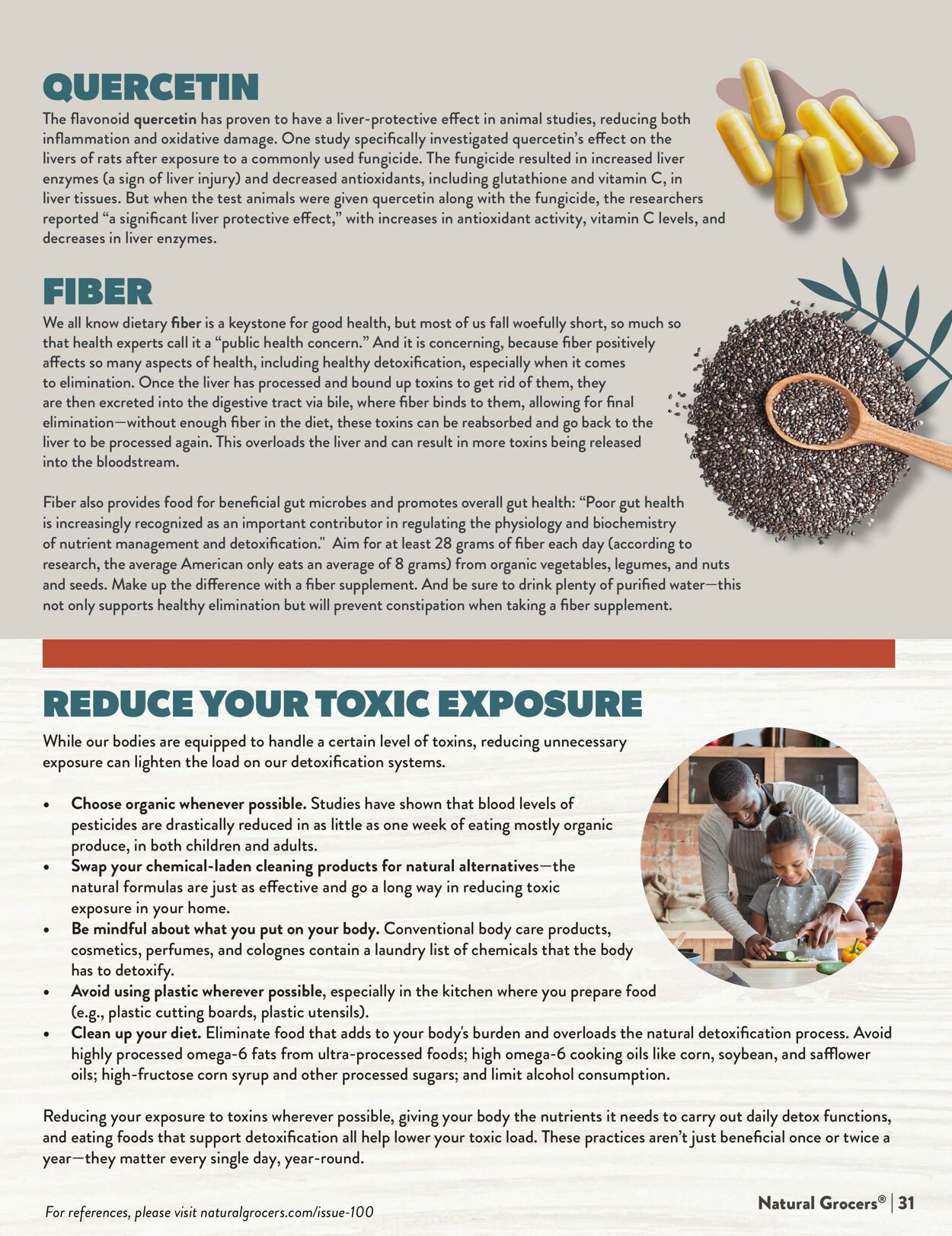
Current weekly ad Natural Grocers - Valid from 10/30 to 11/27 - Page nb 31

Advertisement
Advertisement
Advertisement


Advertisement
Weekly ad Natural Grocers 10/30/2025 - 11/27/2025
Weekly ad Rural King - Circular Mar 1, 2026 - Jun 26, 2026
Rural King - Circular
Mar 1, 2026 - Jun 26, 2026
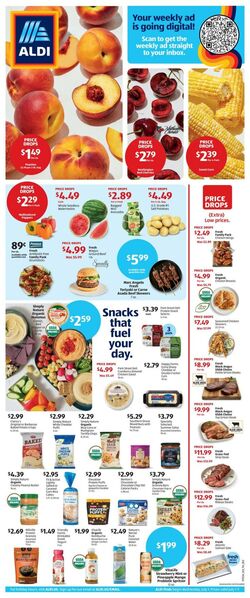
Weekly ad Aldi - In Store Ad Jun 3, 2026 - Jun 9, 2026
Aldi - In Store Ad
Jun 3, 2026 - Jun 9, 2026
Weekly ad Rural King - Circular Mar 1, 2026 - Jun 26, 2026
Rural King - Circular
Mar 1, 2026 - Jun 26, 2026
Weekly ad Rural King - Circular Mar 1, 2026 - Jun 26, 2026
Rural King - Circular
Mar 1, 2026 - Jun 26, 2026
See next flyer
Advertisement
Advertisement


Advertisement

Products in this weekly ad

QUERCETIN The flavonoid quercetin has proven to have a liver-protective effect in animal studies, reducing both inflammation and oxidative damage. One study specifically investigated quercetin’s effect on the livers of rats after exposure to a commonly used fungicide. The fungicide resulted in increased liver enzymes (a sign of liver injury) and decreased antioxidants, including glutathione and vitamin C, in liver tissues. But when the test animals were given quercetin along with the fungicide, the researchers reported “a significant liver protective effect,” with increases in antioxidant activity, vitamin C levels, and decreases in liver enzymes. We all know dietary fiber is a keystone for good health, but most of us fall woefully short, so much so that health experts call it a “public health concern.” And it is concerning, because fiber positively affects so many aspects of health, including healthy detoxification, especially when it comes to elimination. Once the liver has processed and bound up toxins to get rid of them, they are then excreted into the digestive tract via bile, where fiber binds to them, allowing for final‘ caf elimination—without enough fiber in the diet, these toxins can be reabsorbed and go back to the liver to be processed again. This overloads the liver and can result in more toxins being released into the bloodstream. Fiber also provides food for beneficial gut microbes and promotes overall gut health: “Poor gut health is increasingly recognized as an important contributor in regulating the physiology and biochemistry of nutrient management and detoxification.” Aim for at least 28 grams of fiber each day (according to research, the average American only eats an average of 8 grams) from organic vegetables, legumes, and nuts and seeds. Make up the difference with a fiber supplement. And be sure to drink plenty of purified water—this not only supports healthy elimination but will prevent constipation when taking a fiber supplement. ae REDUCE YOUR TOXIC EXPOSURE While our bodies are equipped to handle a certain level of toxins, reducing unnecessary exposure can lighten the load on our detoxification systems. « Choose organic whenever possible. Studies have shown that blood levels of pesticides are drastically reduced in as little as one week of eating mostly organic produce, in both children and adults. ¢ Swap your chemical-laden cleaning products for natural alternatives—the natural formulas are just as effective and go a long way in reducing toxic exposure in your home. ¢ Be mindful about what you put on your body. Conventional body care products, cosmetics, perfumes, and colognes contain a laundry list of chemicals that the body has to detoxi ¢ Avoid using plastic wherever possible, especially in the kitchen where you prepare food (e.g., plastic cutting boards, plastic utensils). ¢ Clean up your diet. Eliminate food that adds to your body's burden and overloads the natural detoxification process. Avoid highly processed omega-6 fats from ultra-processed foods; high omega-6 cooking oils like corn, soybean, and safflower oils; high-fructose corn syrup and other processed sugars; and limit alcohol consumption. Reducing your exposure to toxins wherever possible, giving your body the nutrients it needs to carry out daily detox functions, and eating foods that support detoxification all help lower your toxic load. These practices aren’t just beneficial once or twice a year—they matter every single day, year-round. ® For references, please visit naturalgracers.com/issue-100 Natural Grocers? | 31


Latest weekly ads

Advertisement
QUERCETIN The flavonoid quercetin has proven to have a liver-protective effect in animal studies, reducing both inflammation and oxidative damage. One study specifically investigated quercetin’s effect on the livers of rats after exposure to a commonly used fungicide. The fungicide resulted in increased liver enzymes (a sign of liver injury) and decreased antioxidants, including glutathione and vitamin C, in liver tissues. But when the test animals were given quercetin along with the fungicide, the researchers reported “a significant liver protective effect,” with increases in antioxidant activity, vitamin C levels, and decreases in liver enzymes. We all know dietary fiber is a keystone for good health, but most of us fall woefully short, so much so that health experts call it a “public health concern.” And it is concerning, because fiber positively affects so many aspects of health, including healthy detoxification, especially when it comes to elimination. Once the liver has processed and bound up toxins to get rid of them, they are then excreted into the digestive tract via bile, where fiber binds to them, allowing for final‘ caf elimination—without enough fiber in the diet, these toxins can be reabsorbed and go back to the liver to be processed again. This overloads the liver and can result in more toxins being released into the bloodstream. Fiber also provides food for beneficial gut microbes and promotes overall gut health: “Poor gut health is increasingly recognized as an important contributor in regulating the physiology and biochemistry of nutrient management and detoxification.” Aim for at least 28 grams of fiber each day (according to research, the average American only eats an average of 8 grams) from organic vegetables, legumes, and nuts and seeds. Make up the difference with a fiber supplement. And be sure to drink plenty of purified water—this not only supports healthy elimination but will prevent constipation when taking a fiber supplement. ae REDUCE YOUR TOXIC EXPOSURE While our bodies are equipped to handle a certain level of toxins, reducing unnecessary exposure can lighten the load on our detoxification systems. « Choose organic whenever possible. Studies have shown that blood levels of pesticides are drastically reduced in as little as one week of eating mostly organic produce, in both children and adults. ¢ Swap your chemical-laden cleaning products for natural alternatives—the natural formulas are just as effective and go a long way in reducing toxic exposure in your home. ¢ Be mindful about what you put on your body. Conventional body care products, cosmetics, perfumes, and colognes contain a laundry list of chemicals that the body has to detoxi ¢ Avoid using plastic wherever possible, especially in the kitchen where you prepare food (e.g., plastic cutting boards, plastic utensils). ¢ Clean up your diet. Eliminate food that adds to your body's burden and overloads the natural detoxification process. Avoid highly processed omega-6 fats from ultra-processed foods; high omega-6 cooking oils like corn, soybean, and safflower oils; high-fructose corn syrup and other processed sugars; and limit alcohol consumption. Reducing your exposure to toxins wherever possible, giving your body the nutrients it needs to carry out daily detox functions, and eating foods that support detoxification all help lower your toxic load. These practices aren’t just beneficial once or twice a year—they matter every single day, year-round. ® For references, please visit naturalgracers.com/issue-100 Natural Grocers? | 31
Advertisement
Advertisement
Advertisement
Advertisement

If you continue to browse this website, you accept the use of cookies.

Name Details